When to Call for Radon System Repair: Signs Your Mitigation System Needs Attention
Radon mitigation systems do not last forever. Even a well-installed active soil depressurization system can develop issues over time. The fan wears out. A pipe gets knocked loose in the crawlspace. A manometer stops showing a reading. These problems are not always obvious, but they matter. A broken system means radon levels can climb back up without you knowing it.
I have worked on homes in York County where the homeowner assumed everything was fine because the system was still running. But the fan was barely pulling any suction. The radon test kit they finally deployed showed levels above the EPA action level. That is a stressful discovery, especially if it has been months since the system stopped working effectively. Knowing what to look for and when to call for radon system repair can save you from that kind of surprise.
How a Mitigation System Works and What Can Go Wrong
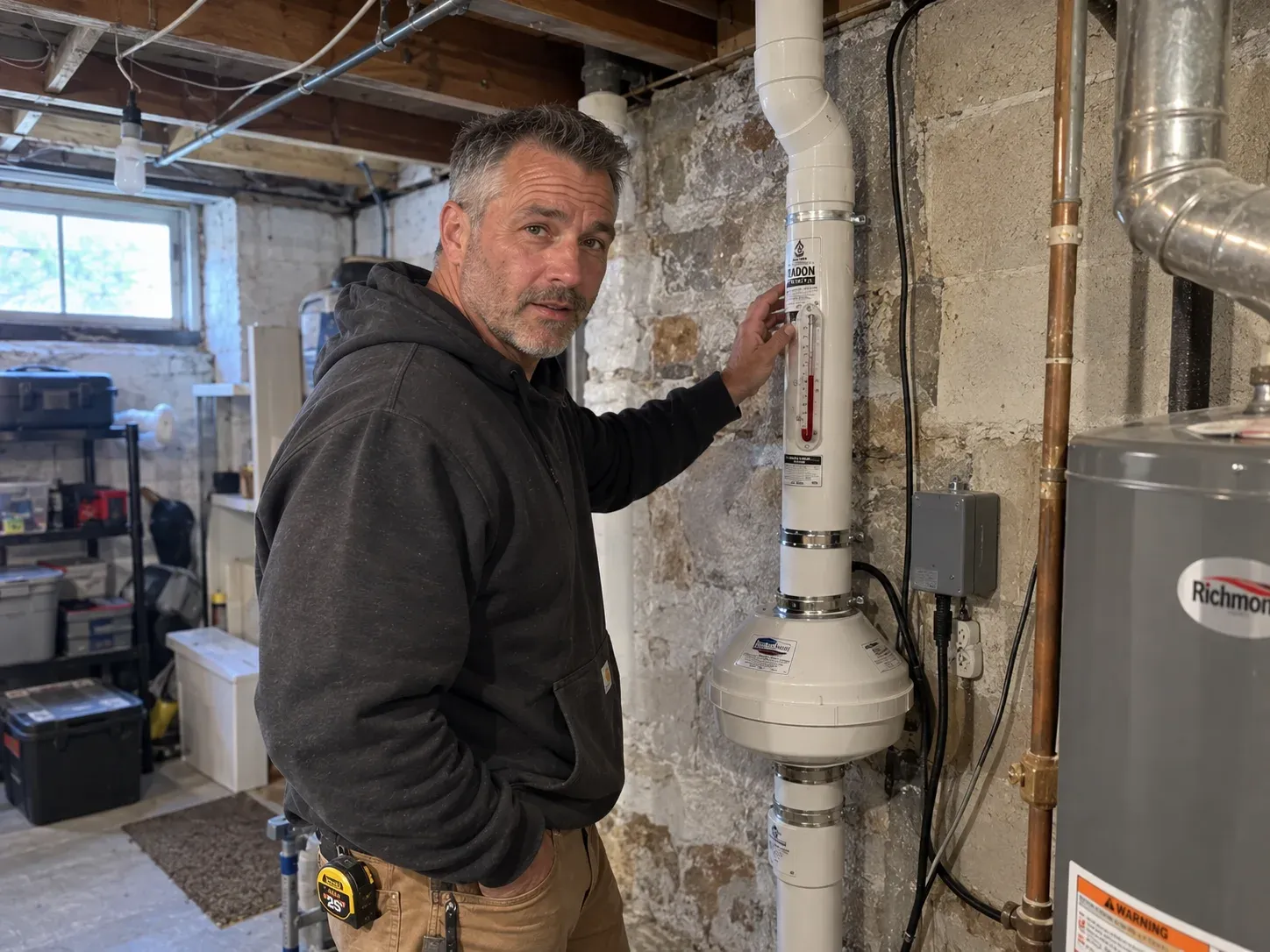
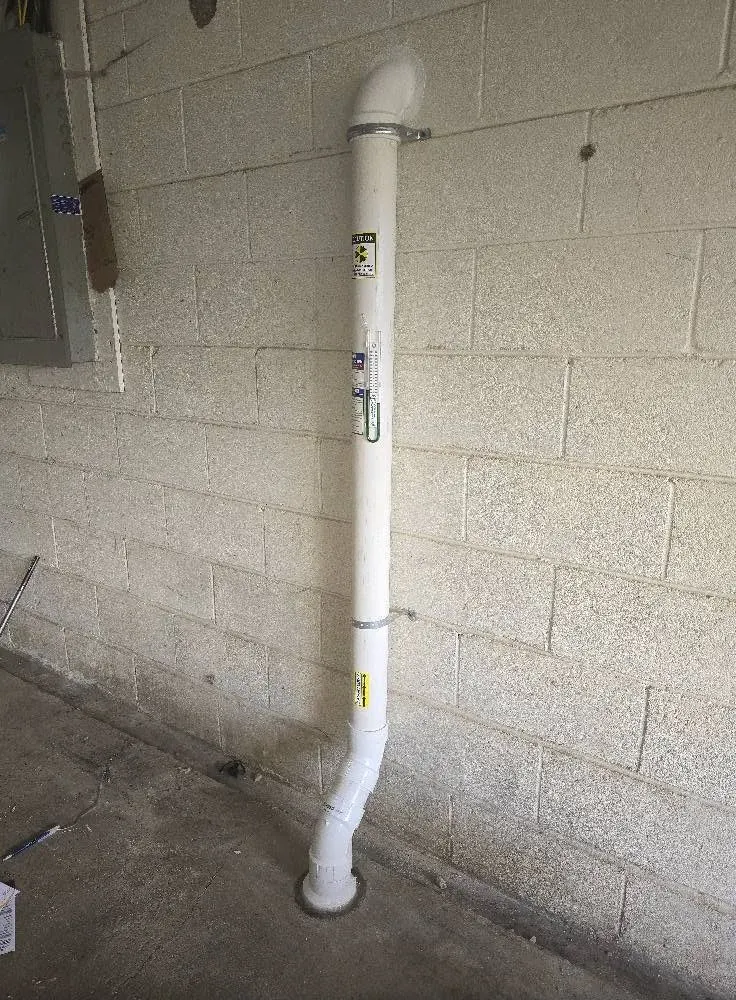
A typical radon mitigation system uses a fan to create negative pressure under the concrete slab. This pulls soil gas from beneath the foundation and vents it safely above the roofline. The main components are the sump pit (or suction point), PVC piping, the radon fan, and the vent pipe that exhausts the gas outside. A manometer, often a U-tube manometer, is installed so you can see at a glance whether the fan is maintaining suction.
When any part of this chain fails, the system stops working. Common failures include a burned-out fan, a cracked pipe, a blocked vent, or a sump pit that has filled with water. Even the sealant around the sump pit can degrade over time. These issues do not always stop the fan from spinning. Sometimes the fan runs but the system no longer creates enough negative pressure to pull soil gas away. That is why a visual check of the manometer is important. If the fluid levels are equal, or if one side is barely moving, you likely need radon system repair.
Signs Your System Needs Attention
Some signs are easy to spot. Others require a closer look. Here are the most common indicators that your radon mitigation system is struggling.
- The manometer shows no difference between the two columns. This is the most direct sign that the fan is not creating suction.
- You hear unusual noises from the fan or the vent pipe. A grinding sound or a loud hum can mean the fan bearings are failing.
- Your short-term test or long-term test shows radon levels creeping up. If you test every few years and see an upward trend, the system may not be performing as it should.
- Water is pooling in the sump pit or in the PVC piping. Standing water can block airflow and reduce the system's effectiveness.
- The vent pipe outside is damaged or blocked. Bird nests, debris, or snow can obstruct the exhaust, causing the system to lose pressure.
If you notice any of these, do not ignore it. A small issue can turn into a bigger problem. Calling a professional for radon system repair early can prevent a full system replacement later.
The Role of Testing After Repair
Once the repair is done, you need to confirm the system is working again. A simple manometer reading is not enough. The only way to know for sure is to test the air inside your home. A radon test kit is the standard tool for this. You can buy a short-term test, which takes two to seven days, or a long-term test, which stays in place for three months to a year. For a more detailed picture, a continuous radon monitor gives you real-time readings and can show daily fluctuations.
I recommend a short-term test first after a repair. It gives you a quick result. If the level is below the EPA action level, you can follow up with a long-term test to get a more accurate average. If the level is still high, the repair may not have solved the problem, or there could be another issue with the system.
Common Repairs: What a Technician Might Do
Not every repair is the same. The fix depends on what failed. Here are some of the more common jobs a radon mitigation technician handles.
Fan replacement. The radon fan is the heart of the system. Most fans last five to ten years, but they can fail sooner if they run continuously or if they get wet. Replacing the fan is usually straightforward, but the new fan must match the system's airflow and pressure requirements. If the fan is too weak, it will not pull enough soil gas. If it is too strong, it can create other problems, like pulling moisture from the soil.
Sealing cracks and gaps. Over time, the concrete slab can develop new cracks. Old sealant can dry out and pull away from the edges. A technician will inspect the slab and reseal any openings. This is not a glamorous job, but it matters. Air leaks in the slab reduce the pressure differential that the system relies on.
Pipe repairs. PVC piping can crack if something heavy is placed on it or if the ground shifts. A cracked pipe lets the fan pull air from the crawlspace instead of from beneath the slab. This kills the system's effectiveness. The fix involves cutting out the damaged section and coupling in a new piece of pipe.
Water management. If the sump pit fills with water, the system loses suction. A technician might install a drain or a sump pump to keep the pit dry. In some cases, the solution is to move the suction point to a drier location.
Preventive Maintenance and What You Can Do
You do not need to be a technician to keep an eye on your system. Once a month, take a look at the manometer. If it has a U-tube design, make sure the colored fluid is still showing a difference between the two sides. If the fluid is missing or if both sides are level, call someone. Also check the vent pipe outside. Make sure nothing is blocking the opening and that the pipe is still firmly attached to the exterior wall.
If your home has a passive radon system installed during construction, remember that it does not have a fan. A passive system relies on natural air pressure and convection to vent soil gas. These systems are less effective than an active system, especially in colder climates or in homes with tight foundations. If you have a passive system and your radon levels are still high, upgrading to an active soil depressurization system is a better long-term fix than trying to repair the passive setup.
For homes built with radon-resistant construction, the initial installation is often easier and cheaper. But the same maintenance rules apply. Check the manometer, keep the vent clear, and test the air every few years.
When to Call a Professional
Some homeowners are handy and comfortable working with PVC pipe and sealant. But radon mitigation is not like fixing a leaky faucet. The system has to pull a specific amount of suction to be effective. If you guess wrong on the fan size or the pipe routing, you could spend time and money on a repair that does not fix the problem. And in the meantime, your family is breathing radon.
I have seen cases where a homeowner tried to replace a radon fan themselves and accidentally wired it backward. The fan spun, but it pushed air down into the ground instead of pulling it up. That made things worse. A professional knows how to diagnose the issue, select the right parts, and confirm the repair worked. They will also check for other issues you might have missed, like a blocked vent pipe or a failing manometer.
If your system is more than ten years old, or if you have never had it inspected, it is worth having a technician look it over. A full inspection costs a fraction of what a replacement system costs. And if the system needs only a minor repair, you can avoid the expense of a full tear-out and reinstall.
Final Thoughts
Radon mitigation is not a set-and-forget solution. The system needs attention over time. By watching the manometer, testing the air regularly, and calling for radon system repair when something seems off, you keep your home safe. The cost of a repair is small compared to the peace of mind that comes from knowing your family is not breathing elevated levels of radon.